Introduction
When it comes to preserving the charm and honesty of your home, couple of jobs are as impactful as painting the outside. Nevertheless, it's not almost picking the ideal color or strategy; recognizing weather condition considerations is equally important. Weather can significantly influence both the application procedure and the long life of your paint job. In this thorough guide, we'll discover all aspects of painting outsides while concentrating on crucial weather condition factors to consider and finest practices.
Painting Exteriors: Weather Considerations and Best Practices
Understanding the Importance of Weather Condition in Exterior Painting
Weather plays a crucial function in the success of an external paint task. Variability in temperature, moisture, wind speed, and rainfall can all impact drying times, bond, and total surface high quality. As a result, being mindful of weather condition patterns is vital for any house owner or contractor.
Key Weather condition Variables to Consider
Temperature: Suitable temperatures for most outside paints vary in between 50 ° F and 85 ° F. Extreme warm can cause paint to completely dry as well rapidly, while cool temperatures can stop appropriate curing.

Humidity: High moisture levels can raise drying out times and might lead to problems like mold development. On the other hand, reduced humidity can quicken evaporation.
Wind: Windy conditions can present dust and particles right into wet paint, bring about an unequal finish.
Precipitation: Rainfall can wash away fresh paint or cause it to run prior to it dries properly.
Sunlight Exposure: Direct sunlight can warm up surface areas excessively, triggering paint to bubble or peel.
Planning for Seasonal Changes
As seasons change, so do weather conditions. Each period offers its own collection of obstacles for exterior painting.
Spring Paint Strategies
Spring often supplies moderate temperatures ideal for paint; nonetheless, shower are common.
- Best Practices: Check neighborhood forecasts regularly. Plan job throughout dry spells. Use moisture-resistant primers.
Summer Paint Tips
Summer brings heat yet likewise extreme sunlight that can cause paint to completely dry also fast.
- Best Practices: Paint early in the early morning or late in the evening. Use reflective tarps to secure surface areas from direct sunlight. Opt for premium outdoor paints created for hot conditions.
Autumn Considerations
Fall is generally a stunning time for painting yet comes with its own obstacles like dropping temperature levels at night.
- Best Practices: Start jobs early in the day when temperatures are still warm. Ensure surfaces are dry from morning dew prior to applying paint. Keep an eye on nighttime temperature levels which must continue to be above freezing.
Winter Challenges
Winter is normally viewed as a no-go period for external paint as a result of cold temperature levels and snow risks.
- Best Practices: If definitely necessary, usage specialized winter-grade paints created to cure at lower temperatures. Work on secured locations that minimize exposure to extreme elements.
Choosing The Right Time of Year
The finest season usually depends on your geographical area:
|Area|Suitable Seasons|| ---------------|-----------------------|| Northern U.S.A.|Late Springtime & & Early Loss|| Southern U.S.A.|Springtime & & Loss|| Coastal Areas|Late https://canvas.instructure.com/eportfolios/3821392/home/transform-your-area-innovative-paint-ideas-for-every-single-area Spring & & Summertime|
Selecting High quality Paint Products
Not all paints are created equivalent; picking quality items developed for exterior use is essential.
Types of Outside Paints
Acrylic Latex Paints: Exceptional flexibility and adherence residential properties make them ideal for numerous climates.
Oil-Based Paints: Offer toughness but call for longer drying out times; not suggested in damp conditions because of reduce curing.
Elastomeric Coatings: Perfect for locations with extreme weather changes due to their ability to increase and contract without cracking.
Preparing Surfaces Before Painting
Preparation is essential to attaining a long-lasting surface:
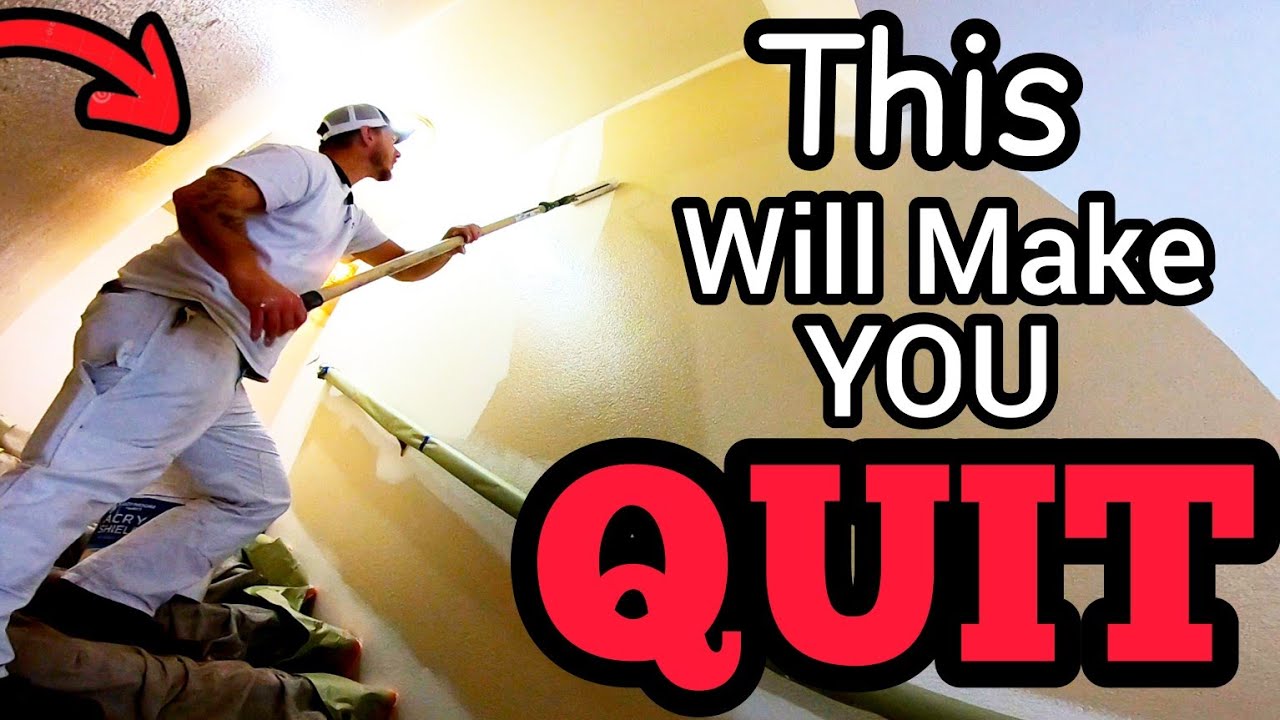
Cleaning: Eliminate dust, mold, mildew, and peeling off paint utilizing ideal cleansers or stress washing techniques.
Repairing Damages: Load fractures or holes with caulking or putty; ensure surfaces are smooth prior to priming.
Priming: Use a high quality guide suited for exterior use; this step improves attachment while obstructing stains from hemorrhaging with the topcoat.
The Duty of Guides in Outside Painting
Primers serve multiple features:
- They enhance paint adhesion, Prevent peeling, Block spots, Provide an also surface area shade before using topcoats.
Techniques For Using Exterior Paints
To attain a flawless finish while thinking about environmental factors:
Brush vs Roller vs Sprayer
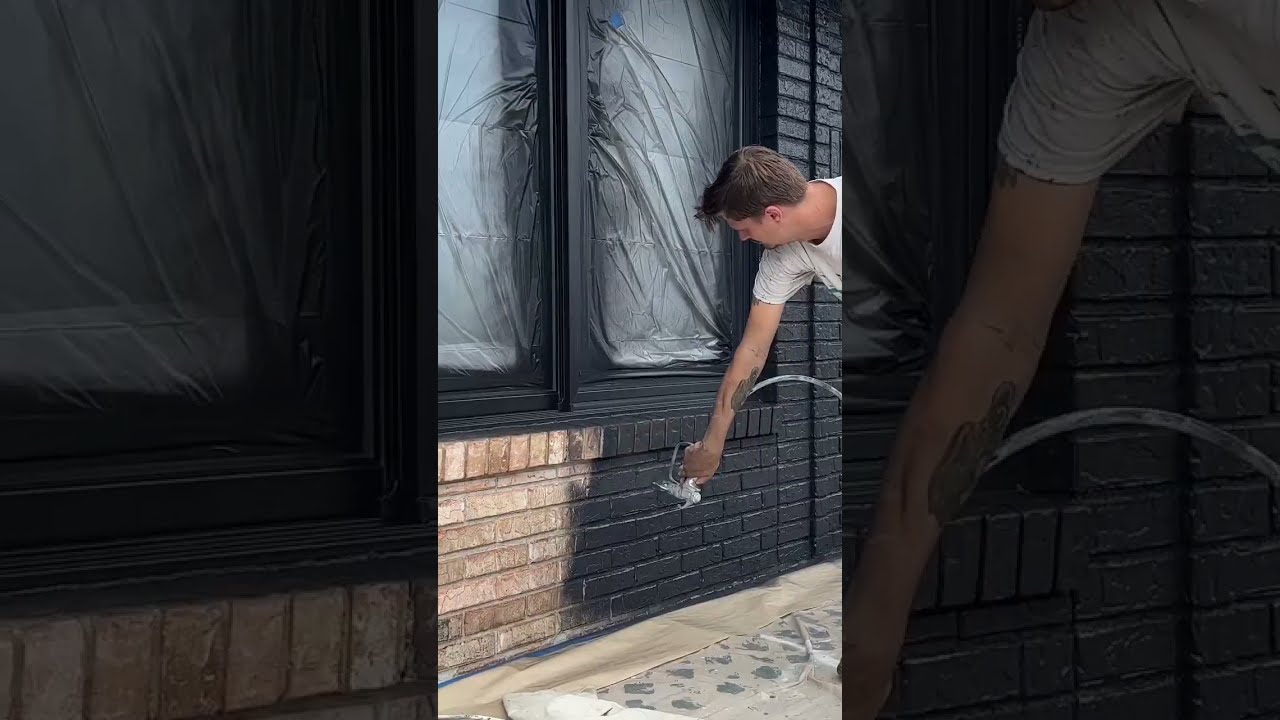
- Brushes use precision, Rollers supply speed, Sprayers enable even protection over large locations rapidly however demand skillful handling.
Layering Techniques
- Thin layers applied uniformly generate far better outcomes than thick layers that might moist appropriately under adverse weather conditions.
- Use painter's tape around edges where shades satisfy (like trim) making certain tidy lines also when confronted with difficult wind gusts that could disrupt application accuracy.
Maintaining Your Painted Surfaces Over Time
No matter exactly how well you prepare or use your outside paint job, upkeep is crucial:
Regularly check painted surfaces every six months, Clean off dust accumulation annually, Touch up chips or scratches without delay, Reseal areas around windows and doors annual if applicable.
FAQs Concerning Painting Exteriors Under Different Climate Conditions
What's the optimal temperature level variety for outside painting?
The finest temperature level array is usually between 50 ° F and 85 ° F (10 ° C-- 29 ° C) during application however check item specifications as some formulations have their distinct requirements!
Can I repaint if it's drizzling?
It's not suitable! Light rainfall may remove damp paint-- wait until it cleans up completely!
Is it alright to paint during high humidity?
High moisture enhances drying time; when possible try waiting till there's little wetness in the air!
What happens if I repaint listed below freezing?
Paint might not stick correctly-- it could ice up before healing leading eventually leading flaking in the future-- best avoided entirely!
How does route sunshine affect my paint process?
Direct sunshine creates quick dissipation causing bubbling-- work during cooler hours instead!
When must I think about hiring specialists rather than DIY?
If you're unsure concerning specific weather affecting your region's climate capacities in addition to substantial preparation job required-- we suggest seeking advice from professionals-- they have actually obtained experience taking care of challenging scenarios!
Conclusion
Painting outsides calls for mindful preparing around numerous climate factors to consider-- adhering very closely will guarantee enduring appeal while shielding your financial investment! Remember that prep work goes together with choosing top quality products-- this mix leads to spectacular outsides all set to stand up to whatever Mother Nature throws their method! So get ready with understanding-- the next time you get a brush-- you'll be fully equipped not just practically but likewise strategically!